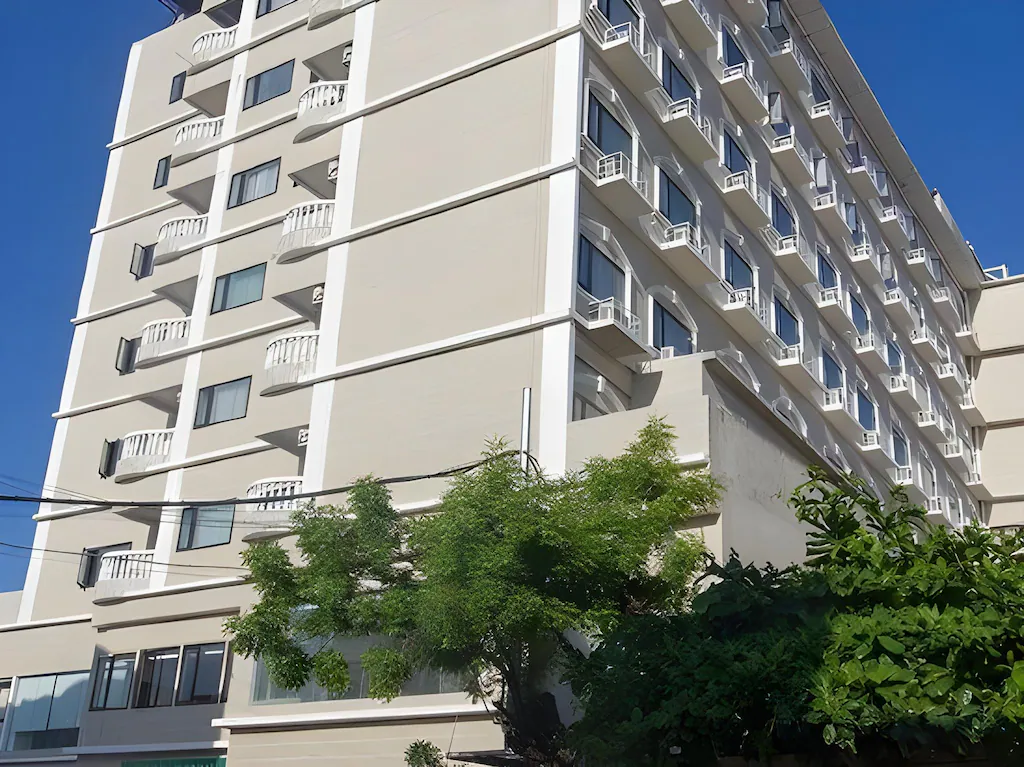
The problem wasn't the hotel
Scroll through reviews of Hotel Essencia and a consistent picture emerges: guests love it. The location near Dumaguete's city centre gets praised in almost every review. Staff are consistently described as friendly and accommodating. Rooms are clean, spacious, well air-conditioned. The breakfast buffet is a highlight.
So why was the hotel generating just PHP 19.7 million in annual OTA revenue from 150 rooms — with online occupancy averaging only 16%?
The answer wasn't quality. It was positioning and distribution. Hotel Essencia was priced for a demand level it hadn't yet earned, distributed across OTAs with gaps that made it invisible to large segments of potential guests, and presented with content that undersold what the property actually offered.
When Essencia came onboard with ZUZU in January 2025, the opportunity was clear. The hotel had the product. It needed the infrastructure.
What ZUZU found
A 150-room property in a growing Philippine leisure destination, consistently well-reviewed, running at 16% average online occupancy. The gap between perception and performance pointed to one thing: a distribution and positioning problem, not a product problem.
The diagnostic phase revealed several compounding issues across the hotel's OTA presence:
On Agoda — typically the highest-volume channel in Southeast Asia for leisure properties — only 3 photos were live. Five of the hotel's seven room types were missing entirely, meaning the hotel was invisible to guests searching by room type. The content score was below the 95/100 threshold needed for Agoda's free visibility boost.
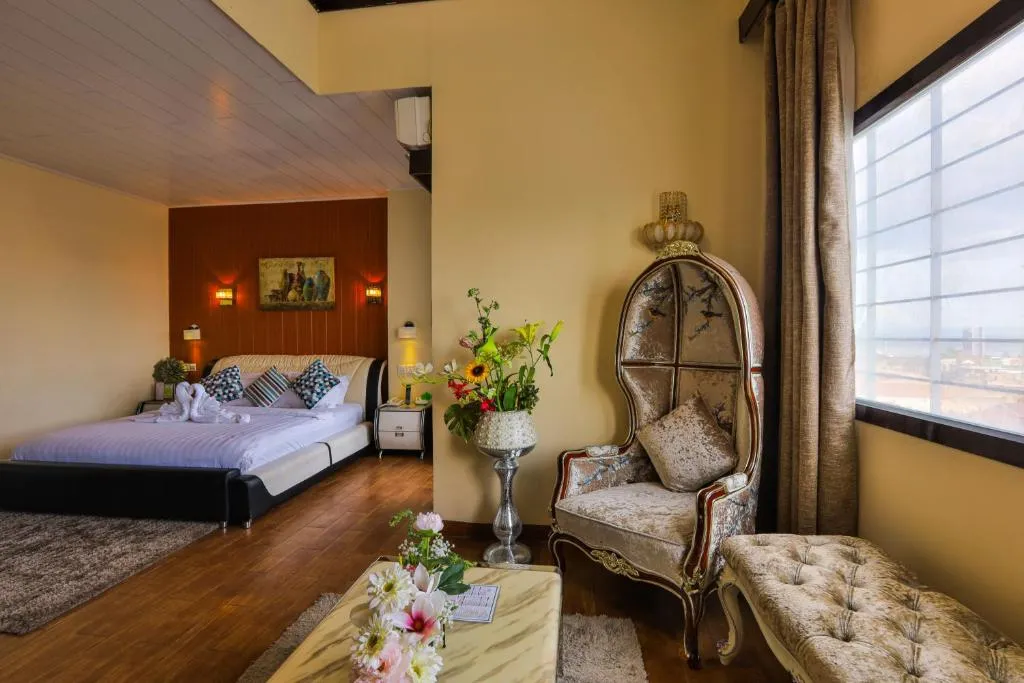
On Booking.com, cancellation policies were misaligned with the competitive set and non-refundable rate options were absent on key channels — meaning the hotel was leaving price-sensitive demand untapped. On Expedia, room types were incomplete and package versus hotel-only inventory wasn't properly structured.
Critically, the hotel had no promotional architecture. No evergreen discount, no fenced deals for mobile or app-based bookers — a segment that typically accounts for over 57% of OTA bookings in this region, versus less than 35% for Essencia. No early bird rates to build forward occupancy, no minimum-stay incentives to grow average booking value.
And the pricing itself: rates had been set at a level the property's current occupancy position couldn't support. The hotel was effectively asking guests to trust a premium it hadn't yet established in the market.
Pricing Repositioning
Moved to a competitive rate position suited to the hotel's actual demand level — enabling volume to build the occupancy base needed for future rate recovery.
Distribution Build-Out
Created all missing room types across Agoda, Booking.com and Expedia. Standardised rate plans, non-refundable tiers and cancellation policies across every channel.
Content Overhaul
Brought Agoda to 95+ content score for free visibility boost. Added professional photos for all room types, the restaurant and facilities across every OTA.
Promotion Architecture
Deployed a structured stack: 20% evergreen deal, fenced mobile and members discounts, early bird pricing, and minimum-stay incentives to grow both volume and booking value.
Year 1 results
Twelve months after going live with ZUZU, Hotel Essencia's numbers tell a clear story.
| YEAR 1 RESULTS | First 3 months of 2025 vs First 3 months of 2026 | |||
|---|---|---|---|
| Metric | Pre-ZUZU (2025) | With ZUZU (2026) | Change |
| OTA Room Nights | 2,537 | 6,745 | +166% |
| OTA Revenue | PHP 5.6M | PHP 12.7M | +124% |
| Online Occupancy (avg) | 19% | 50% | +31pp |
| Booking.com Room Nights | 737 | 2,139 | +190% |
| Agoda Room Nights | 728 | 3,766 | +417% |
The most significant channel shift was on Booking.com, which grew room nights by over 190% — a direct result of unlocking missing room types, building out the promotional stack, and aligning the property's cancellation structure with what the competitive set was offering. Agoda grew 417% following the content score improvement and room type completion.
Total OTA revenue grew PHP 7.1 million in absolute terms — from PHP 5.6M to PHP 12.7M — representing real incremental revenue that had previously been left on the table.
The story going into Year 2
What happens after the foundation is built matters as much as what happened in Year 1. For Hotel Essencia, the results are not decelerating — they're accelerating.
Q1 2026 Growth vs. Same Period 2025
Room night growth, year-over-year
This trajectory matters because it confirms the Year 1 activity was structural, not one-time. The pricing repositioning established a volume base. The content and distribution improvements created the visibility. The promotional architecture is converting that visibility into bookings — and doing so at an increasing rate as the OTA algorithms reward consistent performance.
"Most hotel tech companies hand you a dashboard and leave you to figure it out. ZUZU was different from day one — they came with data, a clear diagnosis of what was holding us back, and a team that was genuinely accountable for the outcome. The results speak for themselves, but what I value most is knowing we have a partner who understands our business as well as we do."
What this means for independent hotels in Southeast Asia
Hotel Essencia's story is not unusual. Across Southeast Asia, there are thousands of independent properties that have the product — the rooms, the location, the staff — but are not capturing their fair share of online demand because of how they are positioned and distributed, not because of what they offer.
The common pattern ZUZU sees: rates set on instinct rather than data, OTA profiles that are incomplete or inconsistently managed, and no systematic promotional structure to capture demand across booking windows and guest segments. Each gap in isolation looks minor. Together, they create a significant and compounding drag on revenue.
Closing these gaps — methodically, across every channel — is exactly what ZUZU does. Hotel Essencia's first year is what that looks like in practice.